Multi-Generational Households in NSW
3rd December, 2025
Multi-generational living is becoming more common across NSW, and many families are exploring how it could work for them. It may appeal to parents wanting additional support, adult children saving for their own home, grandparents seeking proximity as they age, or carers responsible for relatives with complex needs. Many people are also considering this shift as living costs rise and housing needs evolve.
However, creating a successful multi-generational home requires careful planning from the start. Additionally, families must consider financial, legal and structural choices before committing to any arrangement.
Choosing the Right Ownership Structure
One major decision involves choosing the right title structure or ownership model. Some families buy property together, while others prefer one party to hold ownership. However, co-ownership can become complicated if roles are unclear. It is important to set expectations early and document agreements properly.
Granny Flats and Separate Spaces
Granny flats remain a popular option for households needing separate yet nearby living spaces. These smaller dwellings offer independence without creating too much distance. Moreover, they allow older relatives or adult children to live comfortably while staying connected to the family home.
Renovations and Planning Rules
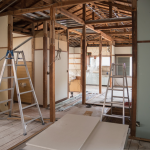
Renovations are another pathway for families wanting more space. Many households create private zones within the main home, and these zones support personal independence. However, building works still require attention to planning rules across NSW. Councils may have strict requirements about size, design and placement.
Conveyancing Considerations
Multi-generational living can also affect the usual conveyancing process. When several parties are involved, property transfers require extra care. Therefore, early legal guidance helps prevent stress and protects everyone’s interests. Families should confirm responsibilities from the beginning because changes later can cause disagreement.
Clear legal and financial structures are essential for multi-generational arrangements. Families should consider whether joint ownership, tenants-in-common, life estates or licence-to-occupy agreements best suit their circumstances. Each option carries different rights, responsibilities and future transfer implications. Documenting contributions to construction, renovations or ongoing costs is also important to minimise the risk of disputes.
From a practical standpoint, layout and compliance should be planned early. This may involve designing separate access points, ensuring adequate parking, and confirming safe connections for plumbing, electricity and drainage. Any new structures or significant modifications may require a Development Application (DA) or a Complying Development Certificate (CDC), depending on the scope of works. Ensuring compliance with NSW planning rules, BASIX requirements and local council approvals helps avoid delays later on.
How We Can Help
Multi-generational households offer connection, support and financial advantages across NSW, but they work best with good planning and clear agreements.
We help families protect their interests and create living arrangements that work long-term. Our team at Bangalow Conveyancing can help with any multi-generational living matter, including title options, co-ownership agreements and more across the Northern Rivers, including Byron Bay, Suffolk Park, Lennox Head, Ballina, Bangalow, Ocean Shores, Mullumbimby, and Tweed Heads.
If you found this blog helpful, don’t forget to check out our other informative blogs.